Homeowner’s Guide to Asphalt Paving in McDonough and the South Atlanta Suburbs
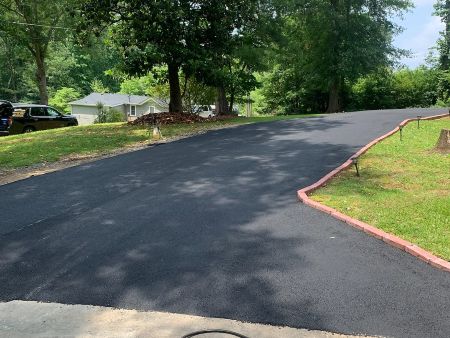
If you are planning asphalt paving in McDonough, GA, you are in the right place. This guide explains how local weather, soil, and traffic patterns affect your new driveway, and what to expect from start to finish. For a deeper look at the process and standards your home deserves, explore our asphalt paving service to see how Georgia Asphalt Services builds long‑lasting results across Henry County and the South Atlanta suburbs.
Why Asphalt Paving Works So Well In McDonough
Our region sees hot summers, mild winters, and steady rain in spring and fall. Asphalt flexes with seasonal swings, which helps it handle neighborhood traffic from Lake Dow to Wesley Lakes and commuters along the I‑75 corridor. A well‑built asphalt driveway also looks clean and professional, adding curb appeal without the glare some materials create in bright Georgia sun.
Choosing The Right Asphalt Paving Company
Your driveway is a structure, not just a surface. Selecting an experienced asphalt paving company protects your investment. Look for clear communication, detailed site evaluation, and a written scope that explains base prep, compaction, drainage, and final rolling. If a contractor skips soil and base details, that is a red flag.
- Ask how they evaluate clay soils common in Henry County and manage drainage away from garages and walkways.
- Confirm the sequence: excavation, base stone, grading for slope, compacting in lifts, asphalt placement, and final compaction.
Homeowners often search for a driveway paving contractor McDonough or residential asphalt paving near me. Use those searches to build a shortlist, then compare site assessments side by side. **A thorough pre‑paving evaluation is the single best predictor of a long‑lasting driveway.**
The Step‑By‑Step Process For A New Asphalt Driveway
1) Site Review And Plan
The crew checks access, utilities, drainage paths, and where water naturally runs after a storm. The plan sets the finished grade so water flows off the driveway and away from your foundation.
2) Excavation And Base
Old material is removed as needed. Base stone is added and compacted in layers to create a stable platform. **The base must be level and solid before any asphalt goes down.**
3) Paving In Lifts
Hot mix asphalt is placed in one or more lifts depending on traffic needs. Each lift is compacted to lock the aggregate and binders together. Edges are shaped and rolled so they do not crumble under tires.
The last pass with a roller brings everything tight and smooth. The finished surface should show even texture without ripples, tears, or shiny streaks.
Weather, Soil, And Slope: Local Factors That Matter
McDonough’s red clay holds water, which can soften the base if drainage is poor. That is why grading and compacted stone are so important. Summer heat means asphalt sets faster, so timing and crew coordination are key. In cooler snaps or after heavy rain, schedules may shift to protect quality.
Local tip: After a heavy rain, let the base dry and stiffen before paving. Rushing onto a damp base can trap moisture and weaken support, which shortens the life of your driveway.
Timeline: What To Expect Before, During, And After Paving
Every home is different, but most projects follow a predictable rhythm. A typical driveway includes a planning visit, scheduling window based on weather, site prep, paving day, and a short cure period before regular use. Your crew will guide parking and foot traffic so the surface sets without marks.
- Before crew arrival: Move vehicles, clear toys and plan alternate parking on a side street.
- Paving day: Keep pets and children inside. Expect equipment noise during compaction and rolling.
- After paving: Follow the team’s guidance on light versus heavy traffic and turning the wheels while stationary.
If you want a deeper refresher later, you can bookmark this McDonough homeowner’s guide to share with the family.
How Thick Should Residential Asphalt Be?
Thickness varies by home size, soil strength, and expected vehicle load. Work with your contractor to set the right pavement structure for daily drivers, delivery trucks, and the occasional trailer. **The correct structure depends on base strength plus use, not a one‑size number.**
Driveway Edges, Transitions, And Drainage
Edges take the most abuse from tires and lawn equipment. They should be supported and compacted so they do not crack or ravel. Transitions to the street, garage slab, or sidewalks should be smooth so water does not pond. Consider adding shallow swales or adjusting slope to keep runoff away from your foundation and landscaping.
Maintenance To Extend Pavement Life
Good care is simple and prevents bigger issues later. Keep the surface clean from leaves and gravel so water drains off easily. Watch for small cracks or edge wear after seasonal storms and get them fixed before water gets inside the structure.
When problems arise, timely asphalt repair helps preserve your investment instead of starting over. Catching issues early is like changing oil in a car. It is faster, easier, and preserves the whole system.
Signs You Need Repair Versus Replacement
Not every flaw means you need a brand new driveway. Here is a simple way to think about it:
Repair is likely when you see small cracks, isolated potholes, or wear in shaded or high‑turn areas. These can often be sealed or patched after a proper evaluation.
Replacement is more likely when you notice wide alligator cracking over large areas or sinking that signals base failure. In those cases, addressing the structure under the surface protects your home and vehicles.
Seasonal Timing In South Atlanta
In the South Atlanta suburbs, many homeowners schedule paving during stable weather windows. Spring and fall often bring comfortable temperatures and fewer afternoon pop‑up storms than peak summer. Summer works well too if crews manage mix temperature and timing. Winter projects can succeed during mild stretches with proper planning.
Design Details That Make Everyday Life Easier
Small choices add comfort and safety:
- Wider parking pads where you turn into the garage reduce scuffing.
- Gentle slopes toward the street move water off the driveway and away from your foundation.
- Clean transitions at walkways help strollers, bikes, and package carts roll smoothly.
Ask about edging treatments for lawn borders and mailbox pads. A little extra structure in those spots prevents broken corners when tires cut a turn or trailers pivot.
Common Mistakes To Avoid
These issues are easy to sidestep with the right plan:
Skipping base prep. The surface may look fine on day one but fails early if the foundation is weak.
Ignoring drainage. Water is asphalt’s quiet enemy. Keep it moving away from your home.
Turning wheels while parked during the early cure period. That can leave marks and twist the surface. **Avoid tight power turns until your crew says the surface is ready for everyday use.**
Neighborhood Context Across McDonough
Homes off Jonesboro Road, Timber Ridge, Ola, and Lake Dow often sit on grades that need careful water control. Shaded driveways under mature pines can stay damp after storms, which makes crack sealing and surface care more important. Busy households with car pools and work trucks should plan staging so the surface has space and time to set before heavy use.
How This Fits With Your Long‑Term Plans
If you plan to sell in a few years, a smooth, well‑drained driveway signals a cared‑for home. For families planning to stay, the right structure and maintenance plan keep daily routines simple. If you are comparing a new asphalt driveway South Atlanta to other materials, consider the balance of comfort, appearance, and future serviceability with repair options available when needed.
Ready To Map Your Project?
Review the standards on our asphalt paving page, then schedule a site visit so we can assess soil, drainage, and traffic patterns at your home. If you want to learn more about the company behind the work, visit asphalt paving in McDonough, GA to see how Georgia Asphalt Services serves neighbors across Henry County.
Talk With A Local Team You Can Trust
When it is time to build or refresh your driveway, choose the partner who explains the “why,” not just the “what.” Call Georgia Asphalt Services at 404-985-6903 to plan a durable, attractive surface that fits your home and routine in McDonough. If you are ready to get started, request a visit today and we will walk your property, outline the best approach, and set a clear schedule that respects your time.